





Estate History
Glamis Castle and Glamis village are at the heart of a progressive rural estate which supports and encourages local development while keeping a keen eye on its heritage.
Glamis village
Much of the village of Glamis was built by the 9th Earl of Strathmore, c.1760. The village is proud to have retained its historic character while being able to offer modern accommodation to those living within the local community. The village might be small, but it has a busy and thriving community which supports local businesses and celebrates what the areas has to offer.

Growing the estate
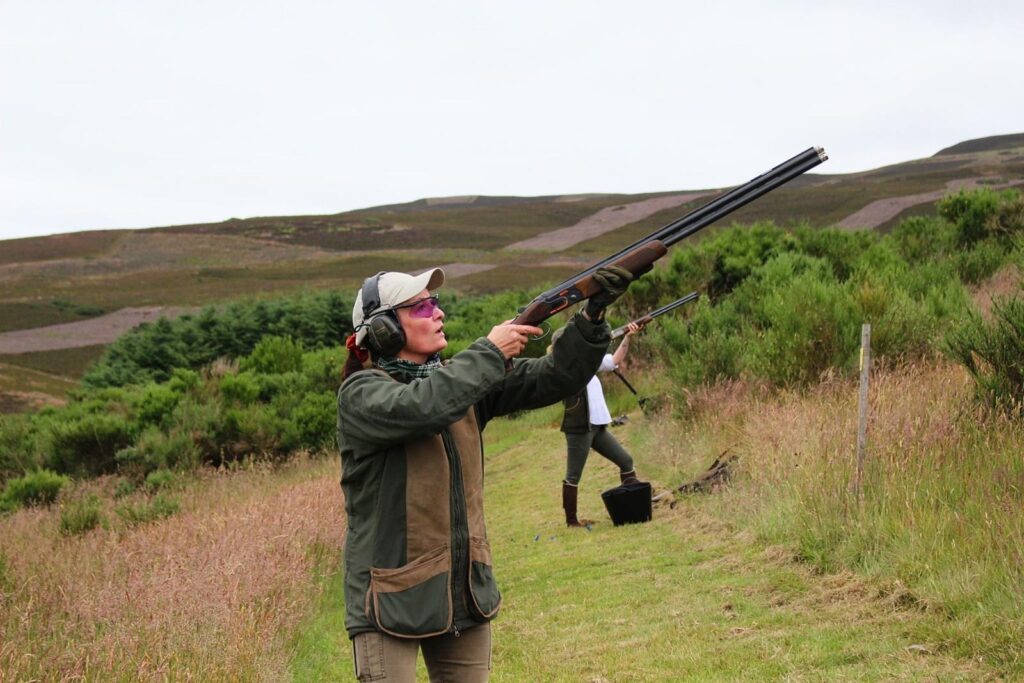
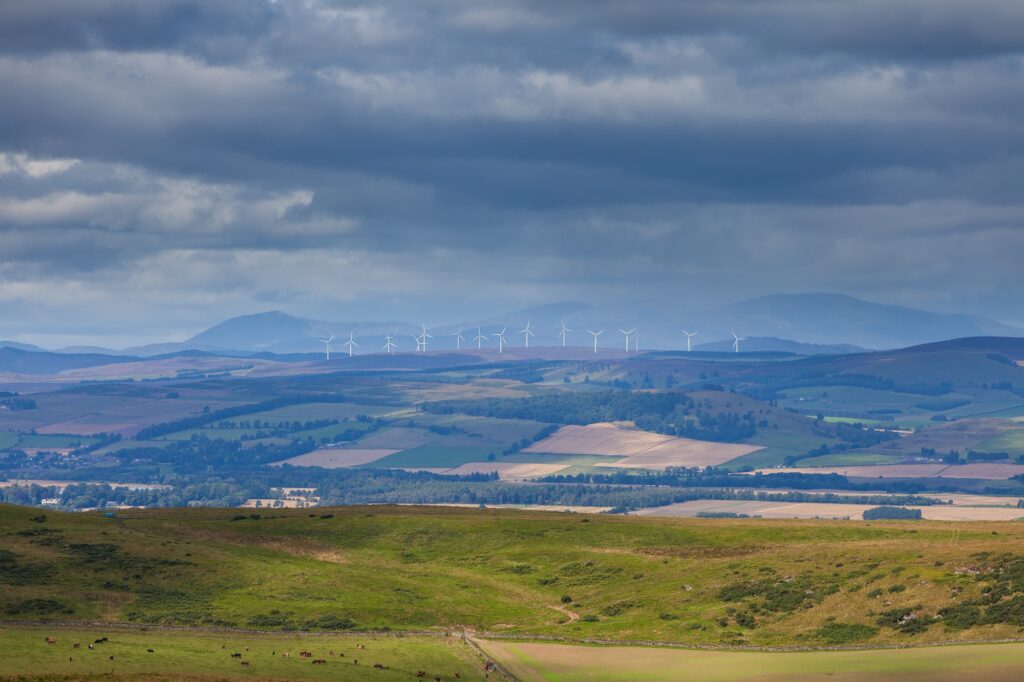
The Estate has continually evolved over the centuries and, comprising let properties, tenanted farms, forestry, in-hand farming, renewable energy, sporting interests, commercial ventures and habitat management alongside the Castle and gardens, it is as varied today as it has ever been. Glamis’ ethos has always been to preserve its natural assets, respect its heritage and grow in a sustainable way ensuring that all generations can enjoy what the estate has to offer.
Our farms
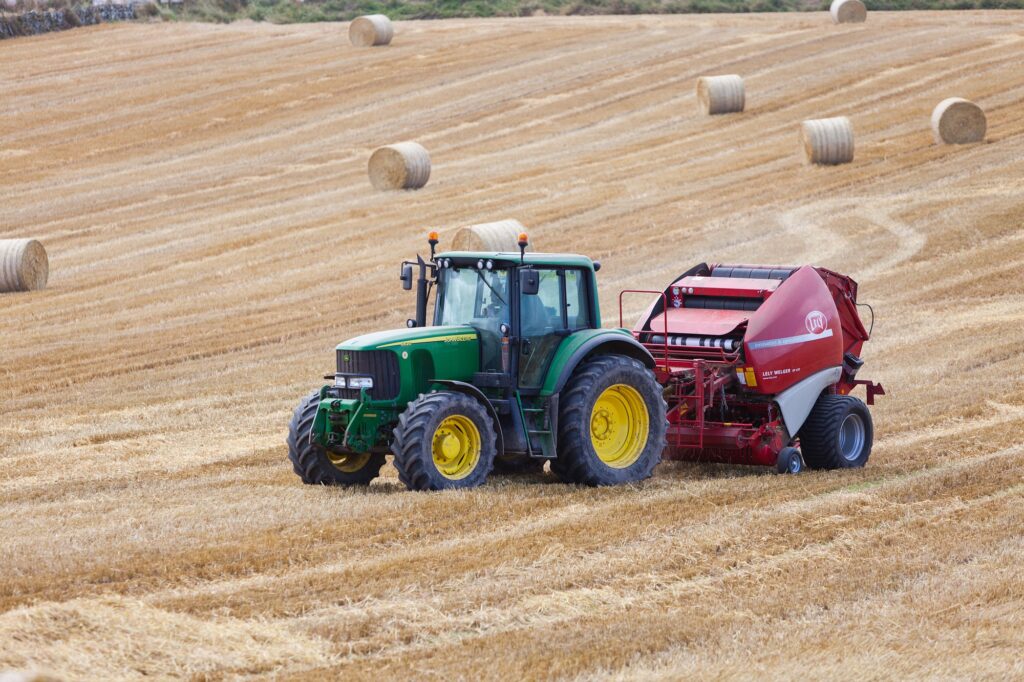
The Estate has an in-hand farming operation that covers approximately 4,500 acres over seven farms. The farm is a predominantly arable operation focussing on the production of wheat, barley and oil seed rape, with land annually let to local farming businesses to grow vegetables such as potatoes, broccoli and carrots. In addition, the farm has a herd of Sim and Highland cattle, some of which can be seen grazing in the policies either side of the Castle driveway.

Natural environment
The woods on the Estate have been maintained for hundreds of years, with maps from 1746 showing almost identical boundaries to the present day. The Estates hydro scheme harvests the water from the Lera Dam to produce electricity which is used to power our saw mill, allowing us to be self-sufficient. Many of the hills are managed by our game department to support a wide variety of wildlife including nesting birds, of which Ospreys form part, grouse and black game. Our farmers look after our many miles of hedgerows and field margins which provide food and shelter for numerous wildlife.
